Zero emission energy spotlight (nuclear)
Nuclear energy is generally considered non-renewable energy, but it has been included in this module because roughly one third of New Brunswick’s electricity generation is from nuclear energy, and nuclear energy produces virtually zero GHG emissions.
Nuclear energy is derived from the nucleus, or core, of atoms, which consists of protons and neutrons. This energy can be generated in two ways: fission, where atomic nuclei split into smaller parts, and fusion, where nuclei combine.
Understanding nuclear energy
Currently, the nuclear energy used globally to produce electricity comes from nuclear fission. Meanwhile, the technology to generate electricity from fusion is still in the research and development phase.
Benefits of nuclear energy
- Produces zero GHG emissions: Unlike fossil fuels, nuclear reactors do not emit carbon dioxide during operation, which contributes to reducing the overall carbon footprint of the energy sector.
- Cost-effective operation: The cost of fuel (uranium) is low, and because the plants can operate for extended periods without refueling, they provide a stable and continuous source of energy.
- Economic growth: Nuclear energy employs thousands of people across New Brunswick in a variety of fields.
Challenges of nuclear energy
- High initial costs: Building a nuclear power plant requires a significant upfront investment. The construction of these plants is expensive due to the complex technology, extensive safety systems, and the regulatory requirements.
- Waste management: Nuclear reactors produce spent fuel and other radioactive materials that remain hazardous for thousands of years. Safe and secure disposal of this radioactive waste is a complex and costly process. Long-term storage solutions, such as deep geological repositories, are necessary, but they require careful planning, public acceptance, and ongoing management to prevent environmental contamination.
- Safety concerns: The safety of nuclear power plants is a major public concern. While modern reactors are designed with multiple safety features, the potential for catastrophic events continues to raise fears about the safety of nuclear energy. Accidents, though rare, can have devastating consequences, including radiation release, long-term environmental damage, and human health risks.
Nuclear energy in New Brunswick
NB Power operates the Point Lepreau Nuclear Generating Station which is located on the shores of the Bay of Fundy, approximately 40 km southwest of Saint John, New Brunswick.
Point Lepreau was commissioned in 1983 and is a 660-megawatt (net) nuclear generating station. It is a major component of NB Power’s generating assets and contributes approximately 80% of the electricity used in New Brunswick.
Connecting renewable energy to the UN SDGs
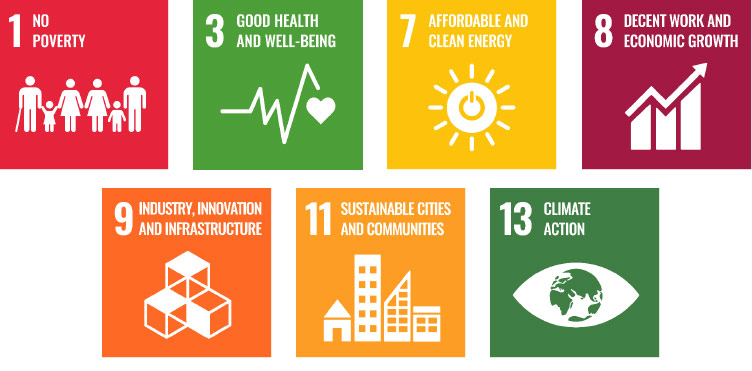
- #1 - No poverty
- #3 - Good health and well-being
- #7 - Affordable and clean energy
- #8 - Decent work and economic growth
- #9 - Industry, innovation and infrastructure
- #11 - Sustainable cities and communities
- #13 - Climate action
Check your understanding
If you're a UNB student completing this module for coursework, be sure to complete the reflection section as part of your requirements.
Resources
Learn more
- Advantages and Challenges of Wind Energy | Department of Energy
- Bioenergy / Energy from waste - Australian Renewable Energy Agency (ARENA)
- Bioenergy Environmental Impact Analysis (BIAS): Analytical Framework
- Biofuel Basics
- Biofuel Production - USDA
- Energy Education Turbines
- Energy Efficiency - Environmental and Energy Study Institute
- Geothermal Energy
- Geothermal Energy - Government of Canada
- How do Wind Turbines Work?
- Introduction to Energy
- Introduction to Renewable Energy | Understand Energy Learning Hub
- Kent Hills Wind Farm
- Lets Talk Science: Introduction to Energy
- Marine Renewables 101
- MIT Technology Review: Yes, we have enough materials to power the world with renewable energy
- NB Power Hydro Tour, Mactaquac Life Achievement Project, NB Hydro
- NB Power Wind Energy
- Nuclear Explained, The Advantages and Disadvantages of Nuclear Energy
- Nuclear Power and Secure Energy Transitions
- Ocean Energy
- Ocean Energy - Stanford
- Ocean Energy - Whole Building Design Guide
- OTEC Technical Fact Sheet
- Point Lepreau Nuclear Generating Station
- Powering our Economy and the World with Clean Energy
- Provincial and Territorial Energy Profiles – New Brunswick
- Reliably Smart 2023 - 2024
- Renewable and Sustainable Energy
- Solar Energy - EESI
- Solar Energy - National Geographic
- Sustainability of bioenergy - Mapping the risks and benefits to inform the future of bioenergy systems
- Sustainability of bioenergy - Mapping the risks and benefits to inform the future of bioenergy systems
- The role of bioenergy in the clean energy transition and sustainable development goals
- Tidal barrage - Energy Education
- Tidal Current Technologies - Ocean Energy Systems
- Tidal Energy in New Brunswick
- Tracking the Carbon Footprint of Hydropower
- What is Renewable Energy
- What is renewable Energy - UN

This work is licensed under a Creative Commons Attribution-NonCommercial 4.0 International License.