Sustainable transportation modes
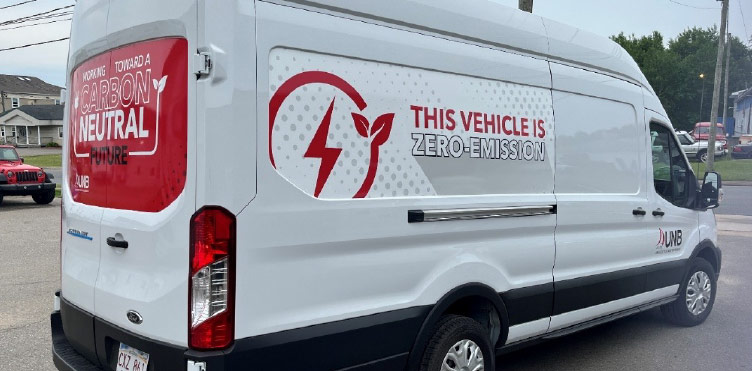
The transportation sector is widely recognized for its heavy reliance on crude oil and this dependence significantly contributes to increased GHG emissions. Consequently, there has been a growing emphasis on exploring and adopting alternative fuels and advancing new technologies to use them.
In recent years, sustainable transportation initiatives have prioritized eco-friendly fuel options, Intelligent Transport Systems, infrastructure that supports active transportation, and effective land use and planning. We’ll explore some of these initiatives in more detail throughout this section of the module.
Sustainable modes of transport
Active transportation

Active transportation is a simple yet powerful sustainable transportation mode. It has various health, social, economic, and environmental benefits. Despite these advantages, active transportation has not gained as much traction as the vehicle industry.
This is largely due to convenience as well as insufficient maintenance of existing infrastructure and a lack of development of new infrastructure that fosters connectivity and accessibility for all.
Enhancing and expanding infrastructure for active transportation can significantly promote its adoption, leading to healthier communities, reduced environmental impact, and improved quality of life.
Common forms of active transportation that you could consider partaking in include:
- Walking
- Biking
- Using non-emission motorized wheelchairs, bikes and scooters
Benefits of active transportation
- Improves physical and mental health: Increased physical activity improves cardiovascular health and reduces the risk of chronic diseases and obesity.
- Helps mitigate climate change: Active transportation produces zero GHG emissions, effectively aiding in combating climate change.
- Reduced noise and congestion: Active transportation, significantly decreases traffic congestion and noise pollution. By opting for these eco-friendly modes of travel, we can enjoy quieter streets and smoother traffic flow, creating a more pleasant and sustainable urban environment.
- Encourages social interactions and fosters social cohesion: Active transportation promotes spontaneous social interactions and strengthens community bonds. By engaging in these activities, people are more likely to connect with their neighbors and fellow commuters, fostering a sense of belonging and enhancing social cohesion within the community.
Challenges of active transportation
- Lack of convenience: Using active transportation typically takes more time than other transportation modes.
- Increased risk of traffic-related injuries and fatalities: Active transport users have limited to no protection in the event of a collision or fall and often suffer injuries, particularly in mixed-traffic settings.
- Greater exposure to air pollution: Raises the risk of respiratory issues due to increased contact with polluted air.
- Winter maintenance challenges: Active transportation can be difficult during the winter months due to the often-inadequate maintenance of infrastructure in harsh weather conditions.
Active transportation in New Brunswick
The City of Fredericton is investing in various sustainable transportation initiatives from building new trails and bike lanes to installing electric vehicle chargers on city owned property.
Similarly, the City of Saint John is launching initiatives to make active transportation safer and more accessible for its residents. For more details, visit Active Transportation - Saint John.
Furthermore, the UNB Safe App includes a “Virtual Walkhome” feature that connects users on campus to an on-duty security guard for the duration of their walk.
The guard can track the user's location in real-time until they reach their destination, ensuring they don’t have to walk alone. If any incident occurs during the walk, UNB Security is immediately alerted.
Micromobility

Micromobility, encompassing options like e-bikes and e-scooters, offers a sustainable, flexible alternative to traditional modes of transportation.
As cities grow and traffic congestion worsens, micromobility presents a solution that not only reduces the strain on public transportation systems but also cuts down on GHG emissions.
These options alleviate traffic congestion, making cities more livable and walkable. Moreover, this method supports equity in transportation by providing affordable and accessible options for people who may not have access to a car or find public transportation insufficient.
Micromobility in New Brunswick
If you don't have access to a micromobility device, consider renting one from Cruze Scooters or Savage’s Bicycle Centre.
Public transportation

Public transportation such as buses, trains, subways and ferries operate on fixed schedules and offer accessible travel options to the public.
By reducing the number of single-occupancy vehicles on the road, public transportation significantly helps ease traffic congestion as well as decreases fuel dependency and lowers emissions.
Choosing public transit can also be more cost-effective than owning a vehicle, as it eliminates maintenance expenses.
On the other hand, a common complaint about public transit is its reliability, fixed schedules require time management, which may not always suit everyone's needs.
Benefits of public transportation
- Reduced traffic congestion: Public transit offers transportation to large number of occupants at a time decreasing the need for single occupancy vehicles.
- Helps mitigate climate change: Reducing the number of vehicles on roads reduces GHG emissions, effectively aiding in combating climate change.
- Eliminates maintenance expenses: Passengers only need to purchase transit passes for their chosen mode of transportation, rather than covering the various costs associated with owning a vehicle.
Challenges of public transportation
- Limited flexibility: Public transit takes away the flexibility of traveling at your own pace, as you're required to follow set schedules.
- Reduced reliability: If the vehicle is due for a service inspection, experiences a breakdown, encounters severe weather, or gets caught in traffic, it can lead to unpredictable delays.
- Safety concerns: Some transit systems may be located in areas that are considered unsafe and may also lack appropriate security measures to deter criminal activity.
Public transportation in New Brunswick
Carpooling and ridesharing
Carpooling and ridesharing both involve sharing a vehicle with others for travel or commuting purposes.
Carpooling is usually arranged among peers or colleagues who coordinate their commutes, while ridesharing refers to paid services where drivers transport passengers.
Benefits of carpooling and ridesharing
- Greater convenience: Passengers can schedule rides closer to their desired departure times, particularly with ride-sharing services, offering more flexibility compared to the fixed schedules of public transit.
- Reduce emissions: Sharing a ride decreases the number of vehicles on the road reducing the amount of GHG emissions.
Challenges of carpooling and ridesharing
- Limiting schedules: Carpooling can become challenging when multiple passengers are involved, especially if their schedules don’t align, making coordination difficult and less efficient.
- Increased expenses: Rideshare can become quite costly overtime compared to alternative options such as buses or active transportation.
- Provides an increase in traffic congestions on roadways.
Carpooling and ridesharing at UNB
The UNB Student Union’s SafeRide Program promotes ride sharing by allowing multiple passengers to travel home together whenever feasible, enhancing safety and reducing the number of vehicles on the road. The SafeRide program runs within designated areas and is free for students.
Additionally, Fredericton and Saint John both have Uride options for ridesharing at affordable prices.
Hybrid and electric vehicles
Driving alone is arguably the most accommodating mode of transportation, offering maximum flexibility and convenience.
However, it comes with high costs, including fuel, maintenance, insurance, and parking. It also contributes heavily to GHG emissions and traffic congestion.
That said, choosing vehicles with eco-friendly alternative fuels, such as hybrids or electric cars, can help reduce the environmental impact.
Benefits of hybrid and electric vehicles
- Increased reliability and convenience: Owning a hybrid or electric vehicle provides the freedom to travel on your own schedule, without being restricted by public transit fixed schedules. This flexibility can be especially valuable for spontaneous trips or irregular routines.
- Enhanced comfort: Personal vehicles offer a more private and comfortable travel experience, without the overcrowding often found in public transportation, especially during peak hours.
- Less or no tail-pipe emissions: Hybrid vehicles produce less emissions and electric cars produce no emissions.
- Low operating costs: The cost of owning and operating a hybrid or electric vehicle is much lower compared to conventional vehicles. Electricity is generally cheaper than gasoline or diesel, and electric vehicles have fewer moving parts, resulting in reduced maintenance and repair costs.
- Improved efficiency: Hybrid and electric vehicles are more efficient than internal combustion engine vehicles. They convert a higher percentage of the energy from the battery to power the wheels, whereas traditional engines lose a lot of energy as heat.
Challenges of hybrid and electric vehicles
- High expenses: Owning a vehicle comes with numerous costs, including fuel, routine maintenance, seasonal upkeep (such as winter preparation), insurance, and parking fees.
- Increased emissions: Personal vehicles are a major source of GHG emissions, contributing to air pollution and environmental degradation.
- Traffic congestion: The widespread use of personal vehicles adds significantly to road congestion, especially during rush hours, leading to longer travel times and delays.
- Parking limitations: In urban or high-density areas, parking can be scarce or expensive, adding inconvenience to driving alone and reducing overall efficiency.
- Limited charging infrastructure: The infrastructure for charging stations is still insufficient to fully support and encourage this transition.
- High initial costs: The upfront cost of an electric vehicle is, on average, 25% higher than that of a conventional vehicle creating a barrier for potential buyers.
- Raw material extraction: EV batteries, particularly lithium-ion batteries, require minerals like lithium, cobalt, nickel, and graphite. These are finite, and their increasing demand raises concerns about resource scarcity. The mining of these minerals can lead to deforestation, habitat destruction, and water pollution. Additionally, the extraction process often involves significant energy use, contributing to carbon emissions.
- Battery manufacturing results in high energy consumption: The production of electric vehicle (EV) batteries is highly energy intensive. If this energy is sourced from non-renewable resources, it can significantly reduce the environmental benefits of EVs.
- Recycling challenges: While EV batteries are recyclable, the process is complex, costly, and not yet widely implemented. Efficient recycling methods are still being developed, and the lack of infrastructure for battery recycling poses environmental risks.
Types of electric vehicles
- Battery Electric Vehicles (BEVs): BEVs are solely powered by electricity and lack an Internal Combustion Engine (ICE). Their propulsion is driven by an electric motor.
- Hybrid Electric Vehicles (HEVs): HEVs use multiple energy sources to propel the vehicle. Typically, an ICE and electric system are employed.
- Plug-in Hybrid Electric Vehicles (PHEVs): PHEVs combine an internal combustion engine with an electric motor to power the vehicle, similar to HEVs. However, PHEVs have the added ability to also be charged with an external power source.
- Fuel Cell Electric Vehicles (FCEVs): FCEVs energy is directly sourced from hydrogen using a fuel cell, while the propulsion is done using an electric motor.
Zero-emission vehicles in Canada and at UNB
Within Canada’s 2030 Emissions Reduction Plan, the Canadian Government has set a mandatory target for 100% of new light-duty car and passenger truck sales to be zero-emission vehicles (ZEVs) by 2035.
To encourage and support the adoption of ZEVs by Canadians and Canadian organizations, the government launched the Zero-Emissions Vehicles (iZEV) Program in May 2019.
The iZEV Program offers purchase incentives to consumers, making ZEVs more affordable by providing financial support based on funding availability and vehicle eligibility.
UNB’s Maintenance and Operations team acquired its first electric vehicle for its daily operations in June 2024.
Additionally, UNB has installed four electric vehicle chargers within the Richard Currie Center parking lot, encouraging the adoption and use of electric vehicles by faculty, staff and students.
The risky proposition of electrifying all modes of transport
While the push for 100% electrification is often seen as a key solution to combat climate change, is it truly the best path forward? Are we hastily embracing this goal without fully considering its implications? Here are some potential risks of an all-electric transportation system:
- Our grid is not equipped to handle completely electrifying the transportation sector: Given that current grid demand has already resulted in unreliable electricity distribution, increasing electricity consumption without timely grid optimization will likely exacerbate these disruptions.
- Shifting emissions to electricity generation companies: While grid users themselves may not directly produce emissions, the electricity they consume often comes from a combination of renewable and non-renewable energy sources. This means that although end-users who rely entirely on the grid have zero direct emissions, the responsibility for emissions is effectively transferred to the electricity generation companies. Consequently, the overall environmental impact depends on the energy mix used by these companies.
Other transport to consider
Hydrogen-powered vehicles
Hydrogen naturally occurs on Earth only in compounds, such as water (when combined with oxygen) and hydrocarbons (when combined with carbon), which are found in fossil fuels and other resources.
It has long been used in chemical and industrial applications, but recent market trends have heightened interest in hydrogen as an energy source.
Depending on its production methods, hydrogen offers the potential for a clean and versatile energy / transportation solution.
Learn more about Hydrogen processes.
Benefits of hydrogen-powered vehicles
- Diverse sources: Hydrogen can be produced from a variety of locally sourced resources using electricity, making it a promising alternative fuel.
- No harmful tailpipe emissions: Hydrogen, when used by a fuel cell to power FCEVs only emits warm air and water vapour, contributing to the decrease in GHG emissions produced by the transportation sector.
- Higher energy content: Hydrogen has a higher energy content per unit mass compared to traditional battery technologies, potentially offering longer driving ranges.
Challenges of hydrogen-powered vehicles
- Infrastructure development: Hydrogen refueling infrastructure is scarce, and as such aids to the hinderance of its public acceptance of hydrogen as an alternative fuel.
- High cost for production: The efficiency and cost affiliated with producing hydrogen is extensive and needs to be decreased to make it an attractive option for an alternative fuel.
- Storage and distribution: Hydrogen has a low energy density by volume, making storage challenging. It requires low temperatures, high pressures, or chemical processes to be stored compactly and efficiently.
- CO2 emissions: If thermal chemical processes are used for the production it contributes to CO2 emissions.
- Safety concerns: Hydrogen is highly flammable posing a significant safety risk that can lead to dangerous uncontrollable fires or explosions.
Air travel
Air travel is the fastest mode of transportation for covering long distances, as it bypasses land-based obstacles and geographic barriers that might otherwise extend travel time.
However, it is also the most expensive form of transport and contributes the highest level of emissions per passenger, making it less sustainable compared to other travel modes.
Benefits of air travel
- Bypasses land-based obstacles: Bypassing land-based obstacles shortens travel times and allows for a safer traveling.
- Quickest for long distance: Flying gets to farther destinations much quicker than alternatives.
Challenges of air travel
- High costs: Airfare can be extremely expensive, especially for last-minute bookings, long-haul flights, or during peak travel seasons.
- Limited scheduling flexibility: Travelers must plan around fixed flight times, which may not always align with personal schedules or offer frequent departures.
- Significant environmental impact: Air travel produces a large amount of GHG emissions per passenger, contributing largely to climate change.
Effective land use and planning
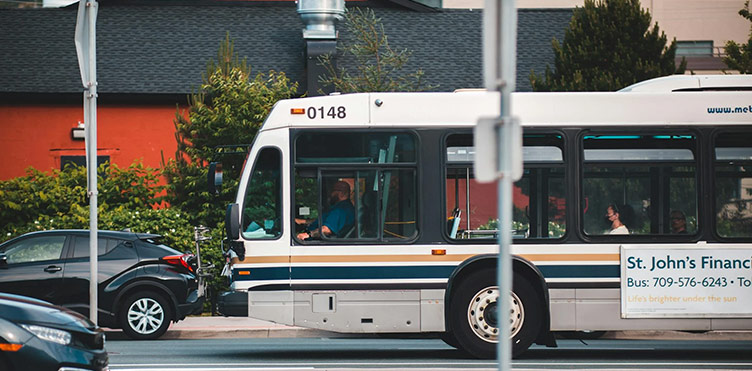
Effective land use planning is a strategic approach to organizing urban spaces in a way that minimizes the need for extensive travel and promotes sustainable modes of transportation.
By thoughtfully planning the location of homes, businesses, and amenities, we can create communities that are more efficient, environmentally friendly, and enjoyable to live in.
Some key concepts and benefits include:
Mixed-use development

This integrates residential, commercial, and recreational spaces within proximity. This reduces the need for long commutes and encourages walking, cycling, and the use of public transit.
Transit-Oriented Development (TOD)

Transit-oriented development focuses on creating high-density, mixed-use neighborhoods around public transit hubs. This makes it convenient for people to use public transportation reducing reliance on personal vehicles.
Smart and sustainable street design

Designing streets that prioritize pedestrians, cyclists, and public transit over cars can make a big difference. Incorporating features such as wide sidewalks, bike lanes, and dedicated bus lanes.
Parking management
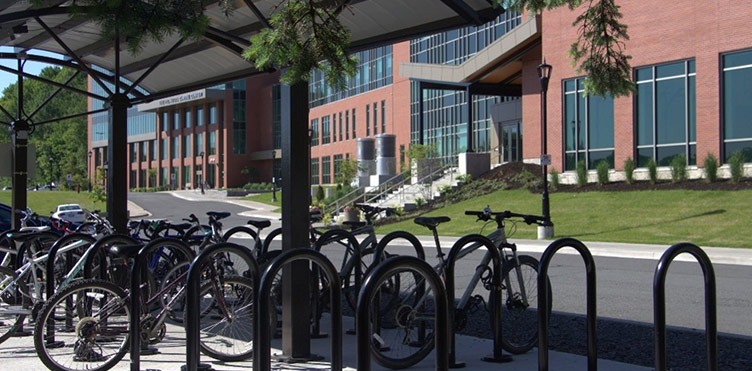
Effective parking management can use strategies such as limiting parking spaces, implementing paid parking, and providing ample bike parking, discouraging excessive car use.
Green spaces and connectivity

Incorporating green spaces, such as corridors and parks, and ensuring connectivity between different parts of a city can enhance the quality of life and make walking or cycling more attractive options.
Policy and incentives

Governments can implement policies including zoning laws that favor mixed-use development, subsidies for public transit, and incentives for businesses to locate near transit hubs.
Check your understanding

This work is licensed under a Creative Commons Attribution-NonCommercial 4.0 International License.